
As temperatures rise and summer approaches, many people find themselves struggling to get a good night's sleep. The heat can make it difficult to fall asleep, stay asleep, and wake up feeling refreshed. If you're someone who tends to overheat at night or lives in a warmer climate, you're not alone. Millions of people around the world face the challenge of sleeping comfortably during hot weather. The good news is that there are numerous strategies, products, and techniques you can implement to help you sleep cool and enjoy restful nights even when the weather is warm.
In this comprehensive guide, we'll explore everything you need to know about sleeping cool in warmer weather. From understanding the science behind temperature regulation during sleep to selecting the right bedding materials, we'll cover practical solutions that can transform your sleep experience. Whether you're dealing with occasional summer heat waves or living in a perpetually warm climate, this guide will provide you with actionable advice to help you achieve the comfortable, cool sleep you deserve.
Understanding Sleep and Temperature Regulation
Before we dive into specific solutions, it's important to understand how temperature affects sleep and how your body naturally regulates temperature during rest.
The Science of Sleep and Body Temperature
Your body temperature naturally fluctuates throughout the day in a process called circadian rhythm. As evening approaches, your core body temperature drops, signaling to your body that it's time to sleep. This temperature decrease is crucial for initiating sleep and maintaining sleep quality throughout the night.
When you're trying to sleep in warm weather, your body struggles to achieve this necessary temperature drop. This can result in difficulty falling asleep, frequent awakenings during the night, and overall poor sleep quality. Research has shown that the ideal sleeping temperature for most people is between 15 to 19 degrees Celsius, though individual preferences may vary.
During sleep, your body's thermoregulation system becomes less efficient. This means that external factors like room temperature, bedding materials, and humidity levels have a more significant impact on your comfort. Understanding this biological reality is the first step toward creating an optimal sleep environment for warm weather.
Why Warm Weather Disrupts Sleep
When your bedroom is too warm, several things happen that negatively impact sleep quality. First, your body may struggle to reach the core temperature drop needed to initiate sleep. Second, if you do fall asleep, the warmth can cause frequent micro-awakenings throughout the night as your body tries to cool itself down. These awakenings are often so brief that you don't consciously remember them, but they significantly reduce sleep quality.
Additionally, warm weather often brings increased humidity, which can prevent sweat from evaporating efficiently from your skin. This creates a sticky, uncomfortable feeling that makes it even harder to sleep. The combination of heat and humidity is particularly challenging for sleep quality.
Creating the Ideal Sleep Environment
The foundation of sleeping cool in warmer weather starts with optimizing your sleep environment. This includes your bedroom temperature, ventilation, and light exposure.
Room Temperature and Air Circulation
The most direct way to sleep cool is to maintain a cool bedroom temperature. If you have air conditioning, set it to a comfortable temperature, ideally in the range of 15 to 19 degrees Celsius. However, not everyone has access to air conditioning, and some people prefer to minimize their use of it for environmental or financial reasons.
If you don't have air conditioning, there are several alternatives. Cross-ventilation is highly effective: open windows on opposite sides of your home to create airflow. Ceiling fans can help circulate air and create a cooling breeze. Portable fans are also useful and can be positioned to direct cool air toward your bed.
For those in very hot climates, consider using a combination of strategies. Open windows during cooler parts of the day (typically early morning and late evening) and close them during the hottest parts of the day to trap cooler air inside. Use fans strategically to move this cool air around your bedroom.
Light Control and Blackout Solutions
While not directly related to temperature, light control is important for sleep quality in warm weather. Sunlight entering your bedroom during early morning hours can warm up the space and disrupt your sleep. Install blackout curtains or thermal curtains that reflect heat away from your room. These serve the dual purpose of blocking light and reducing the amount of heat that enters through your windows.
Humidity Management
High humidity can make warm temperatures feel even more uncomfortable. If possible, use a dehumidifier in your bedroom to reduce moisture in the air. This allows sweat to evaporate more efficiently from your skin, helping you feel cooler. Even a reduction of 10-15% in humidity can make a noticeable difference in sleep comfort.
Choosing the Right Bedding for Summer
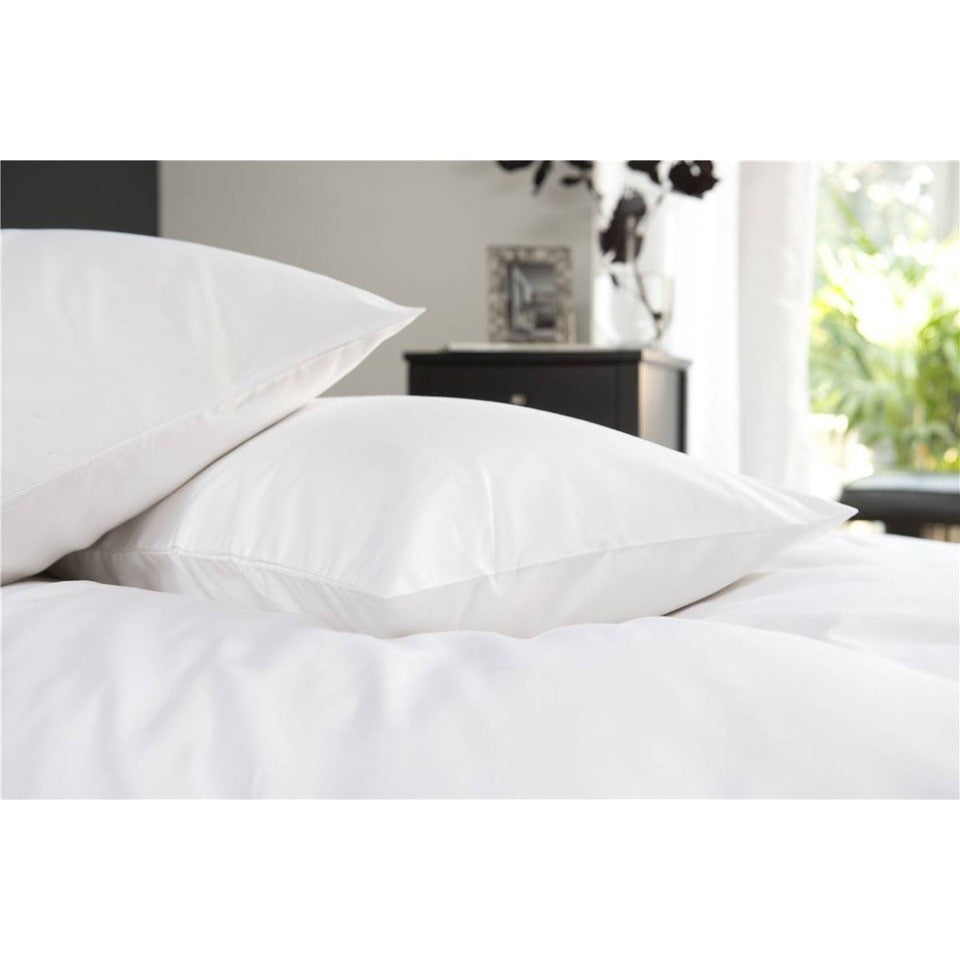
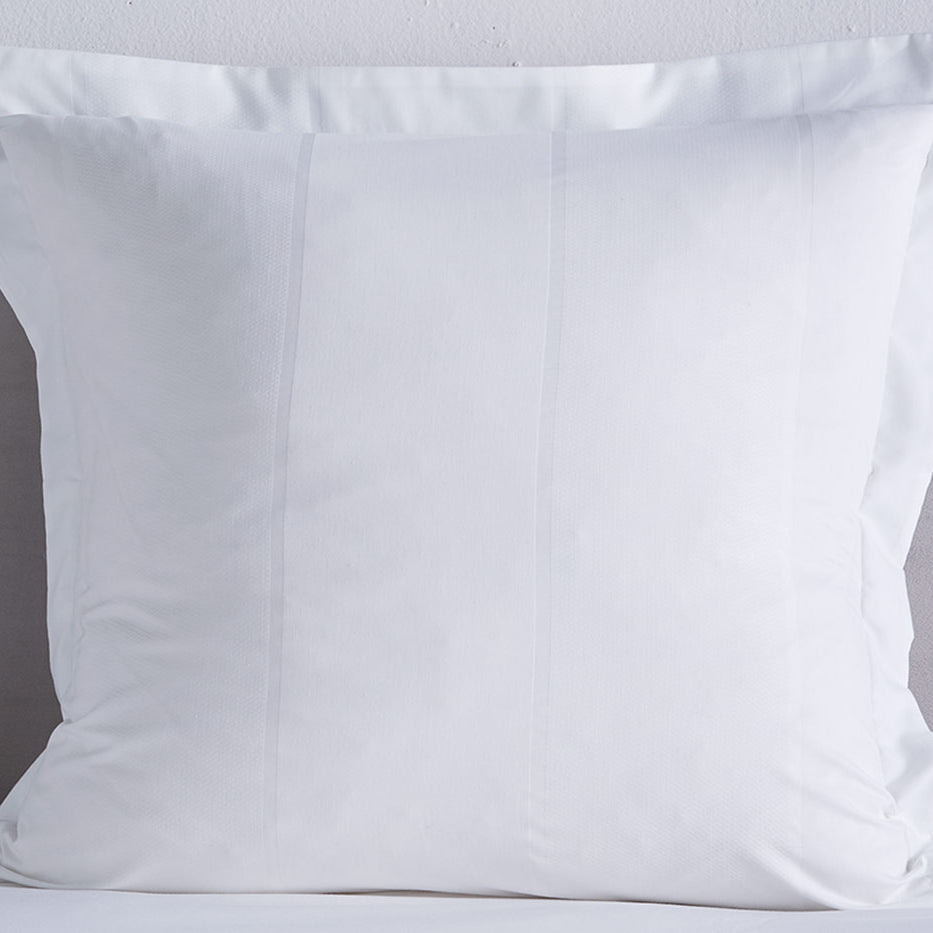
One of the most important factors in sleeping cool is selecting appropriate bedding materials. This is where products like those offered by PillowPillow become particularly valuable.
The Importance of Breathable Fabrics
When selecting sheets and bedding for warm weather, breathability is paramount. Natural fabrics like cotton, linen, and bamboo are excellent choices because they allow air to circulate and moisture to evaporate. Synthetic materials like polyester tend to trap heat and moisture, making them unsuitable for summer sleep.
Percale cotton is an excellent choice for summer bedding. This tightly woven cotton fabric has a crisp, cool feel against the skin and excellent breathability. Percale sheets are known for their durability and their ability to keep you cool throughout the night. The tight weave prevents the fabric from clinging to your skin, which is particularly important when you're sweating in warm weather.
Summer Duvets and Their Tog Rating
A common misconception is that you should abandon your duvet entirely during summer. However, the right duvet can actually help you sleep cooler. The key is understanding tog ratings and selecting an appropriate summer duvet.
Tog is a measure of thermal resistance in bedding. Higher tog ratings indicate more insulation and warmth. For summer sleep, you want a much lower tog rating than you would use in winter. A 4.5 tog duvet is ideal for warm weather and mild summer nights. This lightweight option provides minimal insulation while still offering the comfort and structure of a duvet.
For extremely hot nights or tropical climates, a 6 tog duvet might be too warm. In these cases, you might consider using just a sheet or a very lightweight summer duvet. However, many people find that a 4.5 tog duvet strikes the perfect balance between comfort and temperature regulation.
Natural Down and Feather Benefits
Natural down and feather products offer unique advantages for summer sleep. Unlike synthetic alternatives, natural down and feather have excellent breathability and moisture-wicking properties. Down clusters are naturally lofty, creating air pockets that allow heat to dissipate rather than trap it against your body.
At PillowPillow, all products are handmade in the UK to the highest standards using premium natural down and feather materials. These products are specifically designed to provide the best sleeping environment, including during warm weather months.
The key advantage of natural down and feather is their ability to regulate temperature naturally. As your body temperature fluctuates during the night, these materials adjust to provide appropriate insulation. They won't trap heat like synthetic materials do, making them an excellent choice for summer sleep.
Duck Down and Feather Pillows
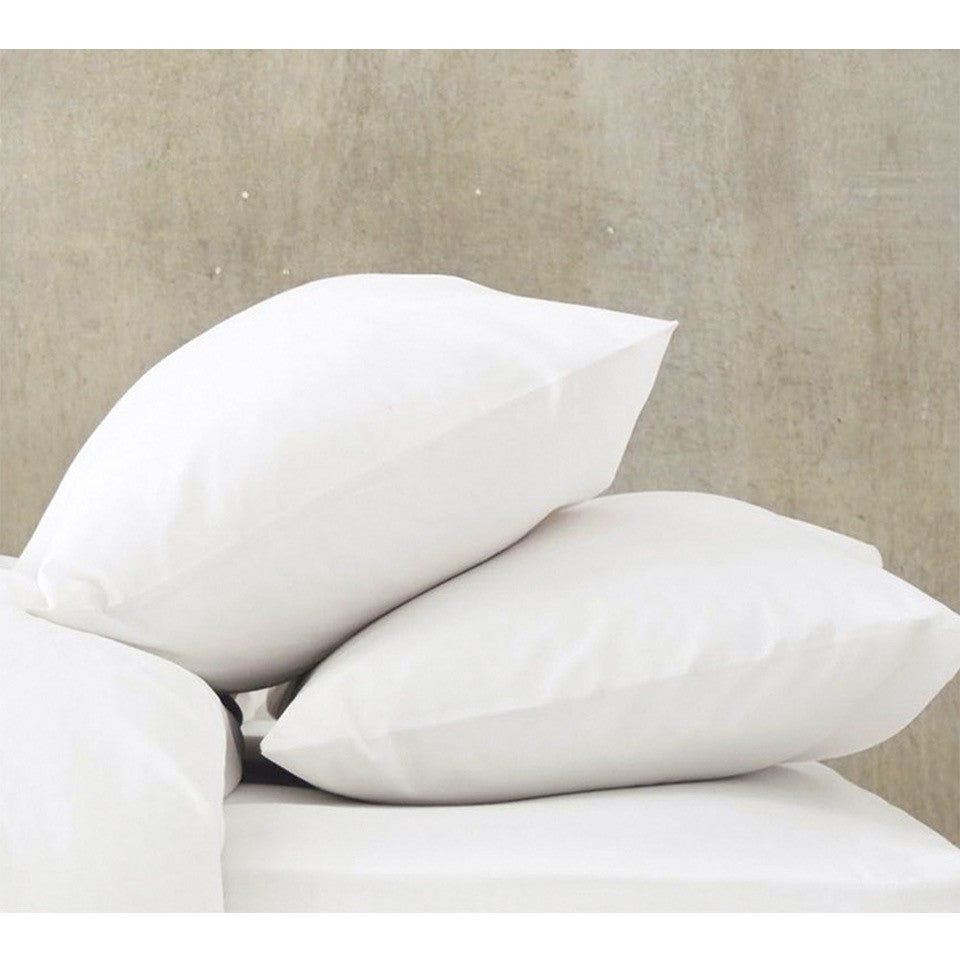
When it comes to pillows, duck down and feather pillows offer excellent support and breathability. These pillows conform to your head and neck while allowing air circulation, preventing the heat buildup that occurs with memory foam or synthetic pillows.
A quality duck down and feather pillow will help keep your head cool throughout the night, which is important because your head is one of the primary areas where your body loses heat. If your pillow traps heat, it can disrupt your sleep and make you feel uncomfortably warm.
Moisture-Wicking Technology and Fabrics
Beyond basic breathability, moisture-wicking technology is crucial for sleeping cool in warm weather.
How Moisture-Wicking Works
Moisture-wicking fabrics are designed to pull sweat away from your skin and move it to the surface of the fabric where it can evaporate more quickly. This is different from simply being breathable; moisture-wicking actively manages the moisture your body produces during sleep.
When you're sleeping in warm weather, your body naturally perspires. If this moisture sits against your skin, it creates an uncomfortable, sticky feeling and actually makes you feel warmer. Moisture-wicking fabrics solve this problem by moving the sweat away from your body.
Best Materials for Moisture-Wicking
Percale cotton is excellent for moisture-wicking because of its tight weave and natural properties. The fabric pulls moisture away from your skin and allows it to evaporate quickly. This is why percale cotton sheets are so popular for summer sleep.
Linen is another excellent choice. It's naturally moisture-wicking and becomes softer and more comfortable with each wash. Bamboo fabric is also highly moisture-wicking and has the added benefit of being hypoallergenic.
When selecting bedding, look for materials that explicitly mention moisture-wicking properties. This ensures that your bedding will actively help manage the moisture your body produces during sleep, keeping you cooler and more comfortable.
Practical Tips for Sleeping Cool
Beyond selecting the right bedding and optimizing your environment, there are numerous practical strategies you can implement to sleep cooler in warm weather.
Pre-Sleep Cooling Techniques
One effective strategy is to cool your body before bed. Take a cool (not cold) shower or bath about an hour before sleep. This lowers your core body temperature and signals to your body that it's time to sleep. The cooling effect will persist for a while after you get out of the water, giving you a head start on comfortable sleep.
Another technique is to use a cool compress or damp cloth on your forehead, neck, or wrists before bed. These areas have major blood vessels close to the surface, so cooling them can help lower your overall body temperature.
Bedtime Clothing Choices
What you wear to bed significantly impacts how cool you sleep. Lightweight, breathable pajamas made from natural materials like cotton or linen are ideal. Some people prefer to sleep in minimal clothing or even naked during very hot weather, which is perfectly fine if you're comfortable with it.
Avoid heavy, restrictive sleepwear. Loose-fitting, lightweight clothing allows air to circulate around your body and helps sweat evaporate more efficiently.
Hydration and Diet
Staying hydrated is important for temperature regulation. Drink plenty of water throughout the day and have a glass of water by your bedside. However, avoid drinking large amounts of water right before bed, as this can disrupt your sleep with bathroom trips.
Be mindful of your diet in the hours before bed. Avoid heavy, spicy, or fatty foods, which can increase your body temperature and make sleep more difficult. Light, cool foods like salads, fruits, and yogurt are better choices for evening meals during warm weather.
Sleep Position
Your sleep position can affect how cool you feel. Sleeping on your back or stomach allows for better air circulation around your body compared to sleeping on your side. Experiment with different positions to find what feels most comfortable and cool for you.
The Role of Quality Bedding in Temperature Regulation
Investing in quality bedding is one of the most effective ways to improve sleep comfort in warm weather. This is where premium products like those from PillowPillow make a real difference.
Why Quality Matters
Not all bedding is created equal. Premium bedding made from high-quality natural materials performs significantly better than budget alternatives. Quality down and feather products, for example, have better loft and breathability than lower-grade alternatives.
When you invest in quality bedding, you're investing in better sleep. Premium percale cotton sheets feel better, last longer, and provide superior moisture-wicking compared to lower-quality options. Quality summer duvets with appropriate tog ratings will keep you comfortable without overheating.
Handmade vs. Mass-Produced Bedding
Handmade bedding, like that produced by PillowPillow, offers advantages over mass-produced alternatives. Handmade products are crafted with attention to detail and quality control that mass production often lacks. Each product is carefully constructed to ensure optimal performance and longevity.
When bedding is handmade in the UK to the highest standards, you can be confident that every aspect of the product has been carefully considered. From the selection of materials to the construction techniques, handmade bedding is designed to provide the best possible sleeping experience.
Bespoke Bedding Solutions
For those with specific needs or preferences, bespoke bedding solutions offer the ultimate in customization. PillowPillow offers bespoke options that allow you to create bedding tailored to your exact specifications. Whether you need a specific tog rating, particular materials, or custom dimensions, bespoke bedding ensures you get exactly what you need for optimal sleep comfort.
Understanding Tog Ratings in Detail
To make the best choice for summer bedding, it's important to understand tog ratings thoroughly.
What is a Tog Rating?
A tog is a unit of thermal resistance used to measure the warmth of bedding. The higher the tog rating, the warmer the duvet. Tog ratings typically range from 1 tog (extremely lightweight) to 15 tog (very heavy and warm).
Summer Tog Ratings Explained
For summer sleep, you want a low tog rating. A 4.5 tog duvet is considered the standard for summer use. This provides minimal insulation while still offering the comfort of a duvet. A 6 tog duvet is slightly warmer and might be suitable for cooler summer nights or air-conditioned bedrooms.
If you live in an extremely hot climate or experience very warm nights, you might find that even a 4.5 tog duvet is too warm. In these cases, you could use just a sheet or consider a 1-3 tog duvet designed specifically for tropical climates.
Choosing the Right Tog for Your Climate
The right tog rating depends on your specific climate and personal preferences. Consider the average nighttime temperature in your area during summer. If nights typically stay above 70 degrees Fahrenheit, a 4.5 tog duvet is appropriate. If nights are cooler, you might prefer a 6 tog duvet.
Personal preference also plays a role. Some people naturally run hot and prefer lighter bedding, while others prefer more coverage even in summer. Experiment with different tog ratings to find what works best for you.
Natural Down and Feather: A Detailed Look
Natural down and feather products deserve special attention when discussing summer sleep comfort.
The Structure of Down and Feather
Down consists of the fluffy clusters found beneath the feathers of geese and ducks. These clusters are incredibly lofty, meaning they create lots of air space. This air space is what provides insulation, but it also allows for excellent breathability.
Feathers are the outer layer of bird plumage and provide structure and support. A blend of down and feathers creates a product that's both supportive and breathable.
Why Natural Down is Superior for Summer
Natural down and feather products are superior to synthetic alternatives for summer sleep for several reasons. First, they're naturally breathable. The air pockets within down clusters allow heat to escape rather than trap it. Second, they're naturally moisture-wicking. Down and feather absorb moisture and release it, preventing the clammy feeling that occurs with synthetic materials.
Third, natural down and feather products regulate temperature naturally. As your body temperature changes throughout the night, these materials adjust to provide appropriate insulation. They won't overheat you like synthetic materials might.
Quality Considerations for Down and Feather
When selecting down and feather products, quality matters significantly. Higher-quality down has larger clusters and better loft, providing superior breathability and comfort. The fill power of down (measured in cubic inches per ounce) indicates quality; higher fill power means better quality.
Products handmade in the UK to the highest standards, like those from PillowPillow, ensure that you're getting premium quality down and feather. These products are constructed with attention to detail that ensures optimal performance and longevity.
Percale Cotton: The Summer Bedding Gold Standard
Percale cotton deserves special attention as one of the best materials for summer bedding.
What Makes Percale Cotton Special
Percale cotton is made from high-quality cotton fibers woven in a one-over-one-under pattern. This creates a tightly woven fabric that's crisp, cool, and durable. The tight weave prevents the fabric from clinging to your skin, which is particularly important in warm weather.
Percale vs. Other Cotton Weaves
Sateen cotton, another popular option, has a looser weave that creates a silky feel. While beautiful, sateen is warmer than percale and less breathable, making it less suitable for summer sleep.
Jersey cotton, which feels like t-shirt material, is also warmer and less breathable than percale. For summer sleep, percale is the superior choice.
Benefits of Percale Cotton for Summer Sleep
Percale cotton offers numerous benefits for summer sleep. It's highly breathable, allowing air to circulate freely. It's excellent at moisture-wicking, pulling sweat away from your skin. It has a crisp, cool feel that many people find comfortable in warm weather. It's also durable and becomes softer with each wash, improving with age.
When you invest in quality percale cotton sheets, you're investing in bedding that will provide superior comfort and performance for years to come.
Creating a Comprehensive Summer Sleep Strategy
To truly optimize your sleep in warm weather