
Summer heatwaves can turn your bedroom into an uncomfortable sauna, making it nearly impossible to get a good night's sleep. When temperatures soar and humidity levels spike, many people find themselves tossing and turning throughout the night, waking up drenched in sweat and feeling exhausted. The quality of your sleep directly impacts your health, mood, and productivity, so finding effective ways to stay cool during hot nights is essential for your overall wellbeing.
If you're struggling to sleep during a heatwave, you're not alone. Millions of people worldwide face the same challenge when summer temperatures rise. The good news is that there are numerous practical strategies you can implement to help regulate your body temperature and create a more comfortable sleeping environment. From choosing the right bedding materials to adjusting your bedroom setup, these ten tips will help you sleep better during even the most intense heatwaves.
Understanding Why Heat Affects Your Sleep
Before diving into the solutions, it's important to understand why heat disrupts your sleep in the first place. Your body naturally cools down as you prepare for sleep, and maintaining a cool sleeping environment is crucial for quality rest. When your bedroom is too warm, your body struggles to achieve this necessary temperature drop, leading to restlessness and frequent awakenings throughout the night.
During a heatwave, your body's natural cooling mechanisms become overwhelmed. Your core temperature remains elevated, preventing you from entering the deep, restorative sleep stages that your body needs. This is why you might feel exhausted even after spending eight hours in bed during hot weather. Understanding this biological process helps explain why investing in proper cooling solutions is so important for your health.
Tip 1: Invest in a Breathable Duvet
One of the most impactful changes you can make to improve your sleep during a heatwave is switching to a breathable duvet. Traditional heavy duvets trap heat and moisture, creating an uncomfortable microclimate around your body. A breathable duvet, particularly one filled with natural materials like Goose Down, allows air to circulate freely while still providing the comfort and support you need.
Goose Down is an excellent choice for hot weather sleeping because of its unique structure. The down clusters have air pockets that allow moisture to escape while maintaining breathability. Unlike synthetic alternatives that can feel clammy and uncomfortable in heat, Goose Down naturally regulates temperature, keeping you cool when it's hot and warm when it's cold.
When selecting a breathable duvet, look for options with high thread count cotton covers and natural filling materials. A quality Goose Down duvet will have better temperature regulation properties than cheaper alternatives, making it a worthwhile investment in your sleep quality. Many people find that switching to a breathable duvet alone can dramatically improve their sleep during summer months.
Tip 2: Choose Natural Fibres for Your Bedding
The materials you choose for your sheets, pillowcases, and other bedding directly impact how cool you feel throughout the night. Natural fibres are far superior to synthetic materials when it comes to temperature regulation and moisture management. Cotton, linen, and other plant-based fabrics allow air to circulate more effectively and wick moisture away from your skin.
One hundred percent cotton sheets are an excellent choice for hot weather sleeping. Cotton is breathable, soft, and has natural moisture-wicking properties that help keep you dry throughout the night. Look for sheets with a higher thread count, as they tend to be softer and more durable, though they should still maintain good breathability.
Linen is another fantastic natural fibre option that many people prefer during heatwaves. Linen is even more breathable than cotton and has excellent moisture-wicking capabilities. While linen sheets can feel slightly rougher initially, they soften with washing and provide superior cooling properties. The investment in quality natural fibre bedding pays dividends in terms of comfort and sleep quality during hot weather.
Avoid synthetic materials like polyester and nylon, which trap heat and moisture against your skin. These materials don't breathe well and can make you feel clammy and uncomfortable. By choosing natural fibres throughout your bedding, you create an environment that actively helps cool your body rather than working against your comfort.
Tip 3: Optimize Your Bedroom Temperature
Creating the ideal sleeping temperature is fundamental to getting good rest during a heatwave. Sleep experts recommend a bedroom temperature between 60 and 67 degrees Fahrenheit (15 to 19 degrees Celsius) for optimal sleep. During a heatwave, maintaining this temperature can be challenging, but there are several strategies you can employ.
If you have air conditioning, use it strategically to cool your bedroom before bedtime. Set the thermostat to a comfortable temperature and allow the room to cool down for at least an hour before you plan to sleep. If you don't have air conditioning, consider using fans strategically to create air circulation and promote cooling.
Closing your curtains and blinds during the day prevents solar heat from entering your bedroom, which can significantly reduce the temperature when evening arrives. Heavy blackout curtains are particularly effective at blocking heat and light. Open your windows during cooler parts of the day, typically early morning and late evening, to allow fresh air to circulate through your home.
Avoid using heat-generating appliances in your bedroom during hot weather. Televisions, computers, and other electronic devices generate heat that can raise your room temperature. If possible, relocate these items to other areas of your home or ensure they're turned off well before bedtime.
Tip 4: Select Premium Goose Down Pillows
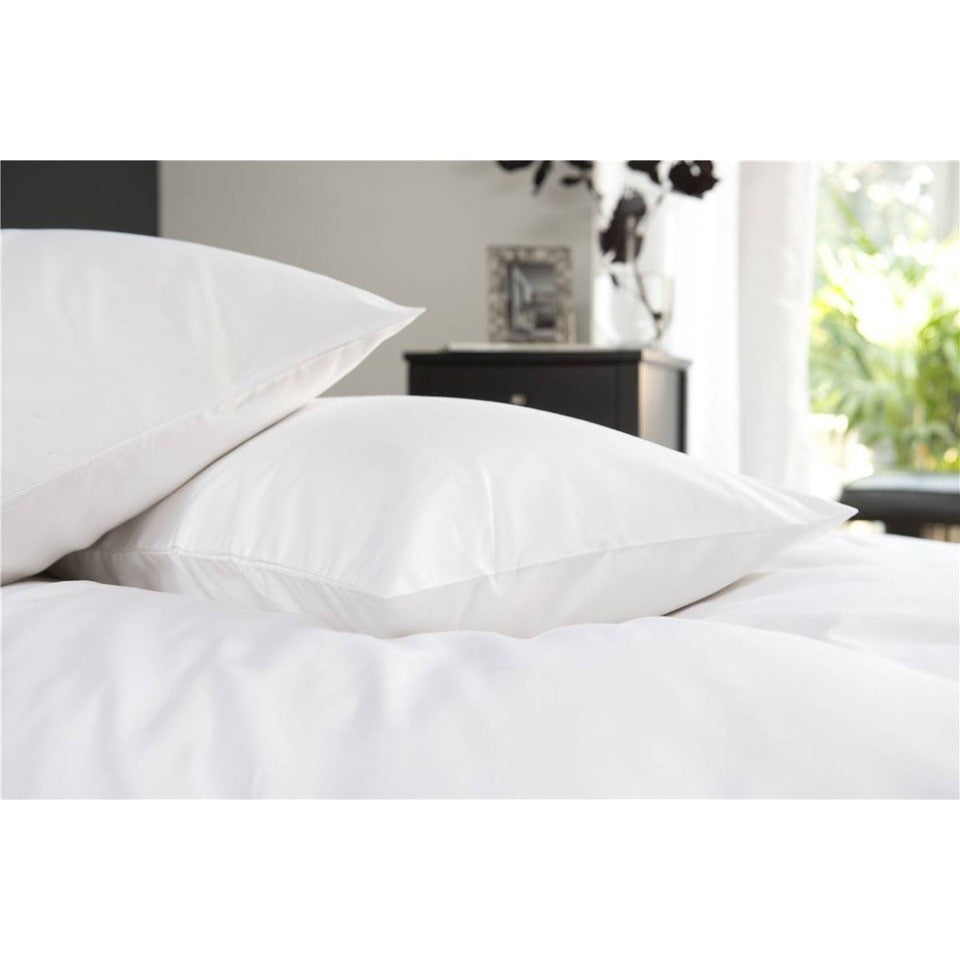
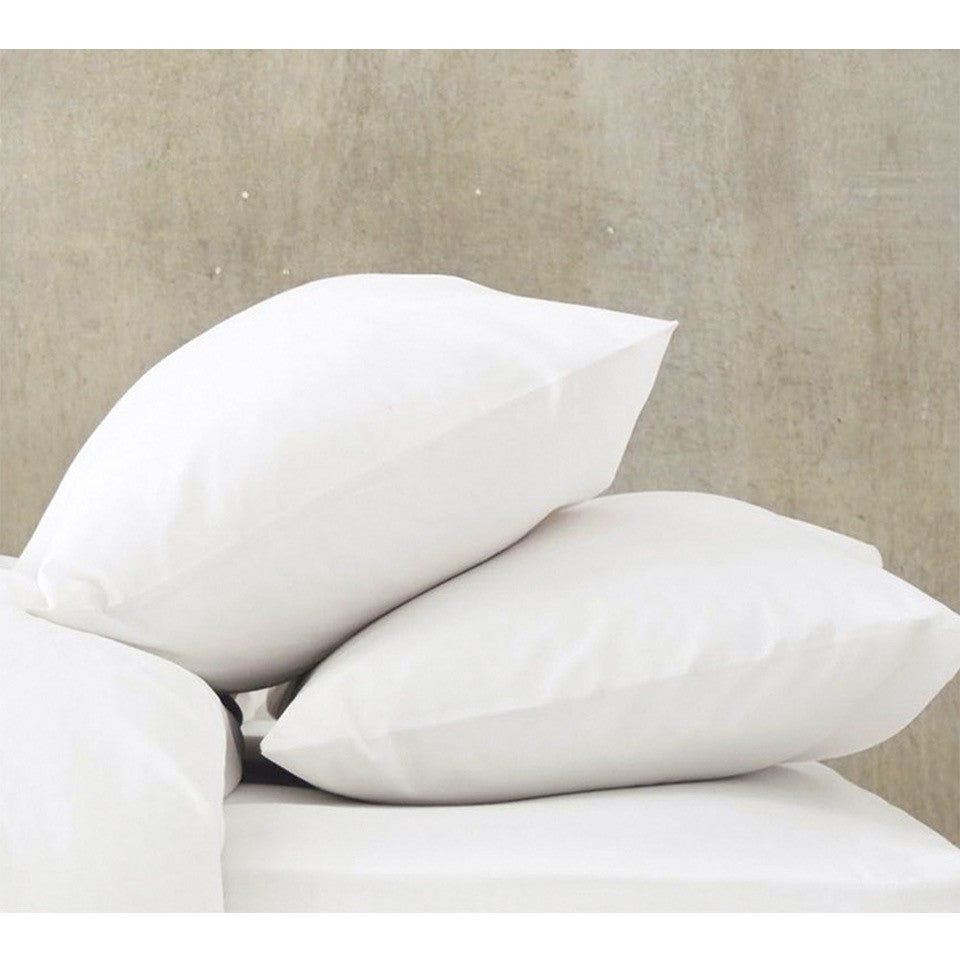
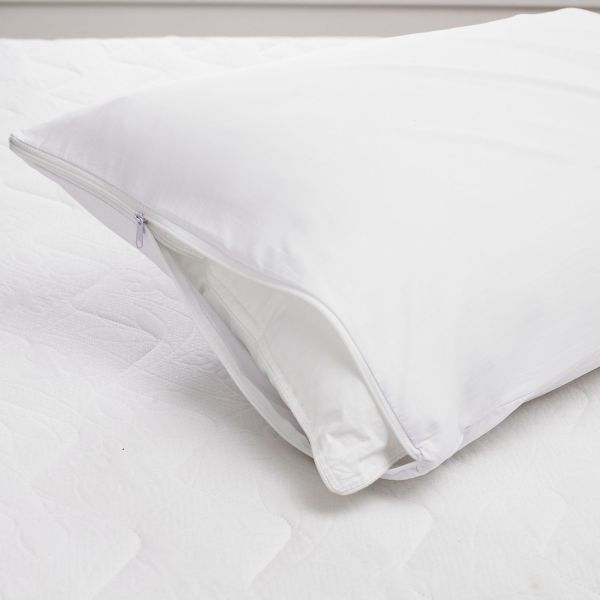
Your pillow plays a crucial role in your sleep comfort, especially during hot weather. Premium Goose Down pillows offer exceptional comfort while maintaining excellent breathability. The natural structure of Goose Down allows air to flow through the pillow, preventing heat buildup around your head and neck.
Unlike memory foam pillows that can retain heat and feel uncomfortably warm, Goose Down pillows naturally regulate temperature. The down clusters adjust to your body's temperature, providing cooling when you're hot and warmth when you need it. This natural temperature regulation makes Goose Down pillows ideal for year-round use, particularly during summer months.
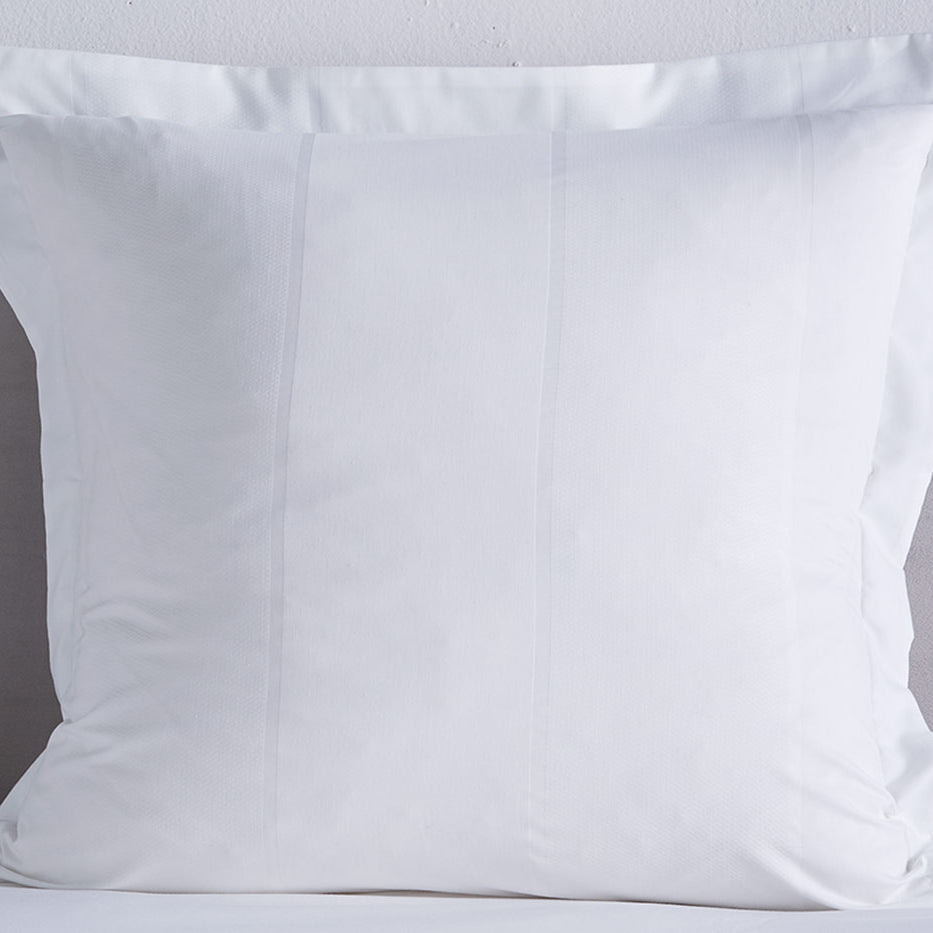
When choosing a Goose Down pillow, look for options with 100% cotton covers and high-quality down filling. The construction method matters too; handmade pillows often provide better quality and durability than mass-produced alternatives. A well-made Goose Down pillow can last for many years, making it a worthwhile investment in your sleep quality.
The loft and firmness of your pillow also affect how cool you feel. A pillow that's too thick or too firm can trap heat around your head and neck. Choose a pillow with appropriate loft for your sleeping position that allows air to circulate freely. Side sleepers typically need a higher loft pillow, while back and stomach sleepers prefer lower loft options.
Tip 5: Consider Duck Down and Feather Pillows as Alternatives
While Goose Down is excellent for hot weather sleeping, Duck Down and Feather pillows are also viable alternatives that offer good breathability and comfort. Duck Down is slightly less expensive than Goose Down while still providing excellent temperature regulation and comfort properties.
Duck Down and Feather pillows combine the softness of down with the support of feathers, creating a balanced pillow that works well for various sleeping positions. The feather component adds structure and support, while the down provides softness and comfort. This combination allows for good air circulation while maintaining the pillow's shape throughout the night.
The key to choosing between Goose Down and Duck Down and Feather options is understanding your personal preferences and needs. Some people prefer the pure softness of Goose Down, while others appreciate the added support that feathers provide. Both options are natural fibres that breathe well and help regulate temperature during hot weather.
When shopping for Duck Down and Feather pillows, ensure they're made with high-quality materials and proper construction. Look for pillows with 100% cotton covers and a good balance of down to feathers. Quality matters significantly when it comes to pillow longevity and comfort, so invest in the best option you can afford.
Tip 6: Use Lightweight Bedding Layers
During a heatwave, you don't need heavy blankets or multiple layers of bedding. Instead, opt for lightweight, breathable layers that provide comfort without trapping excessive heat. A single lightweight sheet or a thin cotton blanket is often sufficient during hot weather.
Consider using a flat sheet instead of a duvet during the hottest months. A quality 100% cotton flat sheet provides enough coverage for comfort while allowing maximum air circulation. You can easily adjust your coverage by folding the sheet or pushing it aside if you become too warm during the night.
Layering with lightweight materials gives you flexibility to adjust your comfort level as the night progresses. You might start with a thin sheet and remove it if you become too warm, or add a lightweight blanket if the temperature drops. This flexibility is particularly valuable during heatwaves when nighttime temperatures can vary significantly.
Avoid heavy quilts, thick blankets, and multiple sheet layers during hot weather. These materials trap heat and moisture, making it difficult for your body to cool down. Stick with minimal, breathable layers that allow air circulation while providing the psychological comfort of having some coverage.
Tip 7: Improve Air Circulation in Your Bedroom
Proper air circulation is essential for maintaining a cool sleeping environment during a heatwave. Stagnant air allows heat to accumulate, making your bedroom feel increasingly uncomfortable as the night progresses. Strategic use of fans and proper window positioning can dramatically improve air circulation.
Ceiling fans are particularly effective at improving air circulation throughout your bedroom. Position your ceiling fan to push air downward during summer months, creating a gentle breeze that helps cool your body. If you don't have a ceiling fan, a portable fan positioned to create cross-ventilation can be equally effective.
Open windows strategically to create natural air circulation. If possible, open windows on opposite sides of your bedroom to allow air to flow through the space. This cross-ventilation helps remove hot air and bring in cooler air from outside. During the hottest parts of the day, keep windows closed and covered with curtains to prevent heat from entering your room.
Position a fan to blow air across your body while you sleep. Some people find that a gentle breeze across their skin significantly improves their comfort and ability to sleep during hot weather. Experiment with different fan positions and speeds to find what works best for you.
Tip 8: Adjust Your Pre-Sleep Routine
Your activities and habits in the hours before bedtime significantly impact your ability to sleep during a heatwave. Adjusting your pre-sleep routine can help lower your core body temperature and prepare your body for rest.
Take a cool shower or bath before bedtime. Cooling your body temperature before sleep helps initiate the natural cooling process that occurs as you fall asleep. A cool shower also removes sweat and helps you feel refreshed and comfortable. Avoid very cold water, which can shock your system; instead, use pleasantly cool water that feels refreshing without being uncomfortable.
Avoid heavy meals, caffeine, and alcohol in the hours before bedtime. These substances can increase your body temperature and interfere with your sleep quality. Instead, opt for light snacks and hydrating beverages like water or herbal tea. Staying hydrated is important during hot weather, but avoid drinking large quantities of liquid immediately before bed, as this can disrupt your sleep with bathroom trips.
Reduce physical activity and exercise in the hours before bedtime. Exercise raises your core body temperature, which is counterproductive when you're trying to cool down for sleep. If you exercise during hot weather, do so in the early morning or late evening when temperatures are cooler, and allow several hours for your body temperature to return to normal before attempting to sleep.
Limit screen time before bed, as electronic devices emit light and heat that can interfere with your sleep. The blue light from screens suppresses melatonin production, making it harder to fall asleep. Spend the hour before bedtime engaging in relaxing activities like reading, meditation, or gentle stretching.
Tip 9: Stay Hydrated Throughout the Day
Proper hydration is crucial during hot weather, and it directly impacts your sleep quality. When you're dehydrated, your body struggles to regulate temperature effectively, making it harder to cool down at night. Drinking adequate water throughout the day helps your body maintain proper temperature regulation.
However, be strategic about your hydration timing. Drink plenty of water during the day and early evening, but reduce your fluid intake in the hours immediately before bedtime. This helps you stay hydrated without disrupting your sleep with frequent bathroom trips during the night.
Avoid excessive caffeine and alcohol, which can dehydrate your body and interfere with sleep quality. While a cold drink might feel refreshing, sugary beverages and caffeinated drinks can actually make you feel hotter and more uncomfortable. Stick with water and herbal teas as your primary beverages during hot weather.
Keep a glass of water on your nightstand in case you wake up thirsty during the night. Taking small sips of cool water can help you feel more comfortable without requiring you to get out of bed and fully wake up.
Tip 10: Create a Sleep-Conducive Environment
Beyond temperature control, creating an overall sleep-conducive environment is essential for good rest during a heatwave. Your bedroom should be a sanctuary designed specifically for sleep, free from distractions and discomforts.
Keep your bedroom dark by using blackout curtains or eye masks. Darkness promotes melatonin production, which helps regulate your sleep-wake cycle. During summer, when daylight extends into evening hours, blocking out light becomes even more important for maintaining healthy sleep patterns.
Minimize noise in your bedroom. Use earplugs if necessary, or employ white noise machines to mask disruptive sounds. Consistent background noise can actually help some people sleep better by masking irregular sounds that might otherwise wake them.
Keep your bedroom clean and organized. A cluttered, dusty bedroom can feel uncomfortable and stuffy, particularly during hot weather. Regular cleaning and dusting improve air quality and create a more pleasant sleeping environment.
Maintain a consistent sleep schedule, even during hot weather. Going to bed and waking up at the same time each day helps regulate your body's internal clock and improves sleep quality. While it might be tempting to sleep in during summer, maintaining consistency is more beneficial for your overall sleep health.
The Role of Quality Bedding in Heat Management
Investing in quality bedding is one of the most effective ways to improve your sleep during a heatwave. The materials and construction of your bedding directly impact your comfort and ability to regulate body temperature. This is where products like those offered by PillowPillow become invaluable.
A breathable duvet filled with Goose Down, combined with 100% cotton sheets and premium pillows, creates an optimal sleeping environment even during the hottest weather. These natural materials work together to wick moisture away from your body, allow air circulation, and maintain proper temperature regulation throughout the night.
The handmade quality of premium bedding products ensures superior construction and durability. When bedding is made to the highest standards, every component is carefully selected and assembled to provide the best possible sleeping experience. This attention to detail makes a noticeable difference in how cool and comfortable you feel during hot nights.
Understanding Natural Fibres and Their Benefits
Natural fibres like cotton, down, and feathers have been used for bedding for centuries because of their superior performance compared to synthetic alternatives. Understanding why these materials work so well helps you make informed decisions about your bedding choices.
Cotton is breathable because of its fiber structure, which allows air and moisture to pass through easily. One hundred percent cotton is superior to cotton blends because it doesn't contain synthetic fibers that can trap heat. High-quality cotton sheets feel soft against your skin and improve in comfort with each washing.
Goose Down is exceptionally breathable because of the unique structure of down clusters. Each cluster contains thousands of tiny filaments that create air pockets, allowing air to flow freely while trapping minimal heat. This natural structure makes Goose Down ideal for temperature regulation in any season.
Feathers provide structure and support while maintaining breathability. Unlike synthetic fill materials that can feel clammy and uncomfortable, feathers allow moisture to escape and air to circulate. The combination of down and feathers creates a balanced pillow that offers both comfort and support.
Seasonal Bedding Transitions
While this article focuses on staying cool during heatwaves, it's worth noting that quality natural fibre bedding serves you well throughout the year. A breathable Goose Down duvet that keeps you cool in summer can be paired with heavier covers in winter to provide warmth when needed.
The beauty of investing in quality natural fibre bedding is its versatility and longevity. A well-made duvet or pillow can last for many years, providing comfort through multiple seasons and heatwaves. This long-term value makes the initial investment worthwhile.
Consider building a complete bedding system that includes options for different seasons. A lightweight breathable duvet for summer, combined with quality sheets and pillows, creates a foundation that works year-round. Adding heavier covers or additional blankets in winter extends the usefulness of your core bedding pieces.
Health Benefits of Better Sleep During Hot Weather
Improving your sleep quality during heatwaves has significant health benefits beyond just feeling more rested. Quality sleep is essential for immune function, mental health, physical recovery, and overall wellbeing.
During sleep, your body performs crucial maintenance and repair functions. Growth hormones are released, immune cells are produced, and memories are consolidated. When heat disrupts your sleep, these vital processes are interrupted, leading to weakened immunity, poor mood, and reduced cognitive function.
Better sleep also helps regulate your metabolism and appetite. Poor sleep during hot weather can lead to increased hunger and cravings for unhealthy foods. By improving your sleep quality